

What Council Approvals Do You Need for a Pool on the Sunshine Coast?
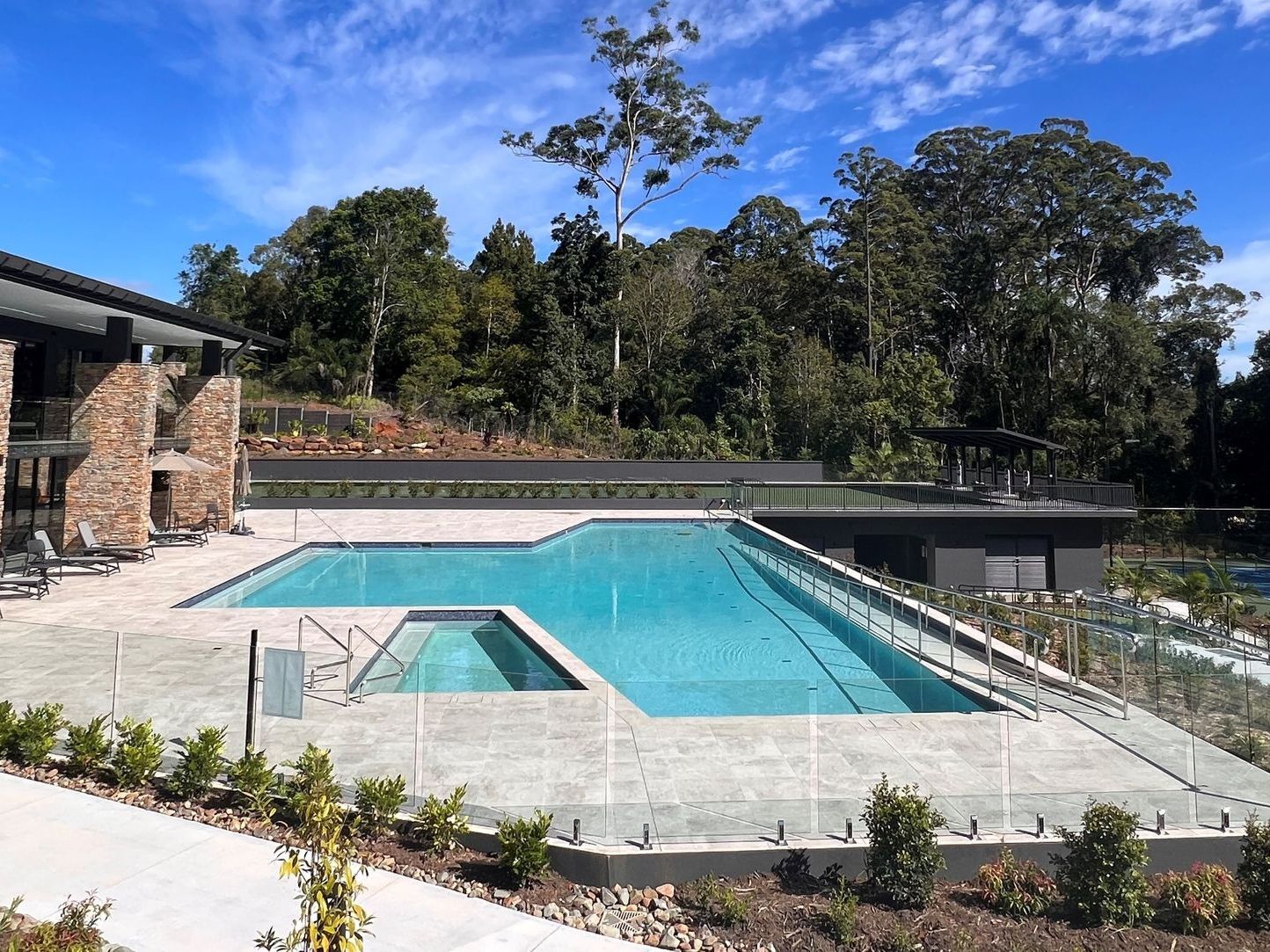
Most pools on the Sunshine Coast do need council approval, and knowing that upfront saves a lot of second-guessing. The process involves a building permit, a compliant safety barrier and a handful of inspections along the way, all of which follow a set order.
Permits, certifiers, safety standards and site constraints get raised early in a pool project, often before you have settled on a design. Here is what each one means for your build, and how the right pool builders on the Sunshine Coast handle most of it for you.
Do You Need Council Approval to Build a Pool?
Yes, in almost every case. Pool council approval applies across Queensland to any pool capable of holding more than 300mm of water, which captures plunge pools, spas and full-size family pools alike.
Approval works like this in practice:
- Water depth: Size is irrelevant, so a compact plunge pool needs the same permit as a large design
- Private certifiers: Approval comes from a building certifier rather than council directly
- Staged inspections: The certifier assesses plans, checks key stages and signs off the finished work
- Council records: Sunshine Coast Council maintains approval records and handles compliance matters
- Extra approvals: Separate planning approval may apply on top of the building permit
That last point catches people out. Working with experienced pool builders Sunshine Coast homeowners trust makes this stage far less stressful, because site constraints get identified before a design is locked in.
What Regulations Must Be Followed?
Swimming pool regulations in Queensland govern both the structure and the safety barrier around it. Your design has to satisfy several standards at once, and the barrier rules are the strictest of them.
Several rules apply to almost every residential pool:
- Safety barriers: Every regulated pool must meet the Queensland pool safety standard
- Fence measurements: Pool fencing requirements set a minimum height of 1200mm, with self-closing gates and no climbable objects within 900mm
- Window openings: Windows into the pool area must not open more than 100mm unless fitted with fixed security screens
- Dividing fences: Shared boundary barriers must meet the same standard, with both neighbours responsible for upkeep
- Pool registration: All Queensland pools must be registered with the Queensland Building and Construction Commission, free of charge
- Structural engineering: Steel inspections and final certification form part of compliance
Site conditions layer further requirements on top. Stormwater management, soil and slope, boundary setbacks, retaining walls and any flood or vegetation overlays each shape what you can build and where it can sit.
What Extra Approvals Might Apply to Your Property?
Not every block is straightforward, and the region has plenty of sites carrying additional considerations.
Extra assessment becomes more likely when your property involves any of the following:
- Sloping blocks: Hinterland sites often need retaining walls or significant excavation
- Flood overlays: Coastal and low-lying land can attract extra design controls
- Services and easements: Sewer lines or stormwater infrastructure running through the yard limit placement
- Protected features: Heritage listings, character overlays or established vegetation add assessment steps
- Boundary setbacks: Pools sitting close to a fence line or dwelling face stricter scrutiny
- Estate guidelines: Body corporate or design rules apply in many newer communities
As an example, a homeowner on a sloping Buderim block might plan a pool near the rear boundary, only to find the design needs an engineered retaining wall and sits within a vegetation overlay. Caught early, the pool shifts three metres and the problem disappears. Caught late, it means new drawings and a fresh submission.
Your pool type matters here too. If you're planning custom concrete pools, bespoke shapes, integrated spas and water features carry their own engineering considerations, which feed directly into what the certifier needs to see.
How Long Does the Approval Process Take?
Timeframes vary with site complexity and how complete your documentation is, though the sequence stays consistent.
Most projects move through these stages in order:
- Design finalisation: Plans are completed, including engineering drawings and site details
- Application lodgement: The certification submission goes in with supporting documentation
- Council referrals: Assessment applies where planning approval or an overlay is involved
- Construction start: Excavation begins only once permits are in hand
- Staged inspections: Checks occur at set points through the build, including steelwork
- Final sign-off: Certification and the pool safety certificate follow completion of the barrier
According to industry best practice, pool construction typically takes eight to twelve weeks once approvals are in place, with the approval stage sitting ahead of that. Weather and site complications can extend the schedule, so building extra time into your planning is always sensible.
How a Pool Builder Can Help You Navigate Approvals
An experienced builder changes the experience entirely. Rather than chasing certifiers and paperwork yourself, you get a team managing the sequence as a normal part of the build.
A builder's involvement usually covers:
- Site assessment: Constraints are identified before design work begins
- Design compliance: Plans satisfy setbacks, barrier rules and site conditions from the outset
- Engineering support: Structural documentation and steel inspections are organised for you
- Certifier coordination: Approval and inspection scheduling is handled directly
- Fencing costs: Barrier compliance is priced into the project rather than left as an afterthought
- Final certification: Approval carries through to completion and handover
Approvals should sit as a defined stage of the build, not a separate errand you manage alone. That structure is what separates a smooth project from one that stalls between design and excavation.
Common Mistakes Worth Avoiding
A handful of avoidable missteps cause most approval delays, and knowing them ahead of time keeps your project moving.
These are the errors worth watching for:
- Early excavation: Starting work or ordering materials before permits are issued
- Incomplete paperwork: Submitting drawings that lack structural documentation
- Late fencing decisions: Treating the barrier as separate from the approved design
- Climbable surrounds: Garden beds, retaining walls or objects that compromise barrier compliance
- Assumed exemptions: Believing a small or shallow pool falls outside the rules
- Poor builder choice: Selecting a team that leaves certification entirely to you
Most of these come down to sequencing rather than cost, which makes them straightforward to avoid. Getting pool compliance on the Sunshine Coast right from the outset saves redrawing plans later.
Why Choose Local Pool Builders on the Sunshine Coast
Local knowledge counts when approvals are involved, because builders working across the region every week understand how site conditions play out in practice.
That experience shows up in several ways:
- Regional familiarity: Coastal, hinterland and new estate conditions are understood firsthand
- Certifier relationships: Established connections with certifiers and engineers keep things moving
- Site knowledge: Soil, slope, drainage and overlay issues differ suburb to suburb
- Design awareness: Regional preferences and regulations are balanced from the start
Searching for pool builders near me returns plenty of options, so it is worth asking how each one handles certification. The pool builders Sunshine Coast homeowners return to are the ones who treat approvals as part of the job rather than your problem to solve.
Ready to Start Your Pool?
Approvals follow a clear path once you know what applies to your block. Confirm your site constraints, lock in a compliant design, then let your builder carry the certification from there.
As pool builders Sunshine Coast homeowners have trusted for more than 30 years, Pools By Design handles certification and final approval as part of our build process. Reach out to our team today to start planning your pool the right way.
Frequently Asked Questions
Do I need council approval for a small plunge pool?
Yes. Approval depends on water depth rather than pool size, so any pool holding more than 300mm of water needs a development permit for building work. A plunge pool follows the same approval pathway as a full-size design.
Who issues pool approvals on the Sunshine Coast?
A private building certifier issues the building approval, not council directly. Council maintains the records and handles compliance matters, and may also assess your project separately if planning approval or an overlay applies to your block.
Can I start excavation before approval comes through?
No. Construction cannot begin until the development permit has been issued. Starting early risks enforcement action and can require work to be undone at your own cost.
Does my pool fence need approval too?
The barrier must comply with the Queensland pool safety standard as part of your pool approval. Replacement barriers on an existing pool generally do not need separate approval if they meet the standard and applicable building rules.
When does my pool need to be registered?
All Queensland pools must be registered with the Queensland Building and Construction Commission. Registration is free and should be completed once your pool is built and certified.